
Colorado Absent From Trump's 30-City Rally Tour, Visit Odds Sink to 34%
Colorado holds no competitive 2026 federal race; its visit odds fell from 46% to 34% in three days after the rally itinerary published. Kalshi sits at 30%.
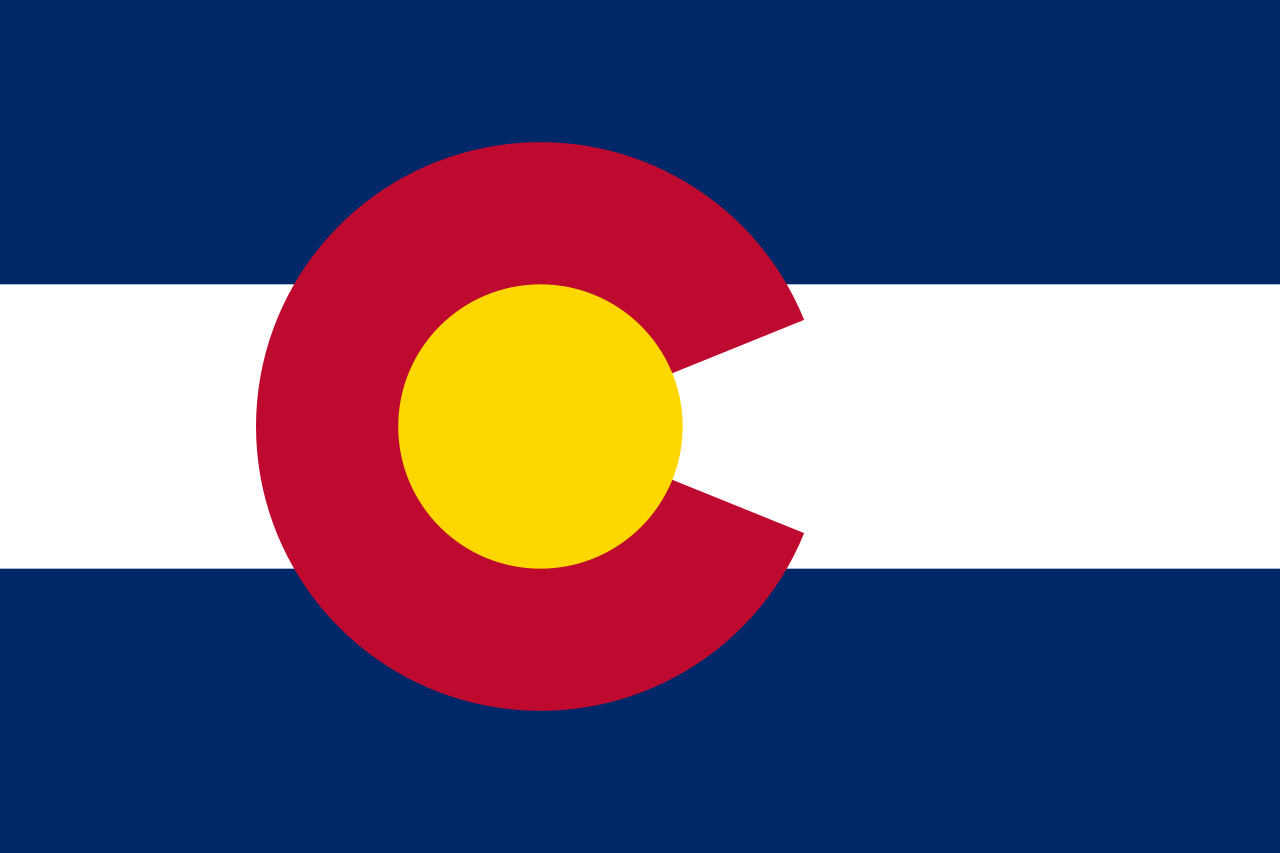
Trump's Massive Rally Tour Has a Colorado-Shaped Hole in It
The 30-city MAGA Rally Tour announced earlier this year lists stops in Pennsylvania (5 rallies), Michigan (4), Arizona (4), Wisconsin (3), Georgia (3), North Carolina (3), Nevada (2), plus additional events in Texas, Florida, and Ohio. Colorado does not appear anywhere on the itinerary. No stop has been hinted at, floated, or rumored. In one of the most concentrated windows of presidential travel before 2027, the Centennial State simply does not exist on the map.
This is not an oversight. The tour was designed to hit every state where Republicans are defending or contesting seats in the 2026 midterms. Colorado, a state that has trended reliably blue in recent cycles and holds no competitive federal race this cycle, offers no strategic rationale for a presidential visit. The absence is a deliberate allocation of time and political capital elsewhere.
That scheduling reality is now moving real money on prediction markets, where Colorado's visit odds have cratered 12 percentage points in direct response to the published itinerary.
Colorado Visit Odds Drop 12 Points as Markets Reprice Trump's Travel Plans
On the question "Which states will Trump visit before 2027?", Colorado's implied probability fell from 46% to 34% over just three days. The contract hit a period low of 32% before recovering slightly. Kalshi prices the outcome at 30%; Polymarket sits at 38%, producing an 8-point cross-platform spread that reflects genuine uncertainty but consensus directional conviction.
The 12-point decline is not gradual drift. It is the kind of single-catalyst repricing that occurs when a concrete piece of information, in this case a finalized travel schedule, removes ambiguity from a market. Traders who had priced in some residual chance of an impromptu Colorado stop saw that probability collapse once the full 30-city list was public and Colorado was nowhere on it. No offsetting bullish signal has emerged to slow the sell-off.
Why Colorado Doesn't Make the Cut: No Swing Seats, No Senate Race, No Incentive
Presidential travel decisions during midterm cycles follow a simple calculus: go where your presence can flip or defend a seat. Colorado fails every test. The state has no competitive 2026 Senate race requiring a Trump rally to boost turnout. Its House delegation, reshaped by redistricting, features no district where a presidential visit would tip the margin.
Colorado voted for Biden by 13.5 points in 2020, the widest Democratic margin of any non-coastal state outside New Mexico. Trump's last visit was an October 2024 rally in Aurora, where he focused on immigration and Venezuelan migrants. That rally served a national messaging purpose, not a Colorado electoral one. With Trump's national approval sitting at 36.2% according to Pollfinity's aggregate of 35 polls, the incentive to stage events in blue territory has evaporated further. Every rally-day is finite, and Pennsylvania's five stops generate far more marginal value than a single symbolic appearance in Denver.
The structural logic is straightforward: base mobilization happens in swing states, pickup opportunities happen in competitive districts, and Colorado offers neither.
The Bull Case: What Would Need to Happen for Colorado to Get a Visit
The market sits at 34%, not zero. That residual probability deserves scrutiny. Several plausible scenarios could still produce a Colorado visit before the December 31, 2026 resolution date.
First, a natural disaster or major crisis event in Colorado could trigger a presidential visit outside the campaign framework. Trump visited disaster zones during his first term, and any wildfire, flood, or infrastructure emergency could put Colorado on the calendar with days of notice.
Second, a high-profile fundraiser could draw Trump to the state. Colorado's Front Range corridor has produced Republican donor events in prior cycles, and private fundraisers often don't appear on public rally schedules but would still count as a "visit" for market resolution purposes.
Third, the MAGA Rally Tour explicitly notes that additional stops are likely to be added. If a Colorado House race tightens unexpectedly, or if a gubernatorial primary creates an endorsement opportunity, the campaign could add a Denver-area rally with weeks of notice.
These scenarios are real, not hypothetical. The question is whether any of them is probable enough to justify buying at 34%. The answer depends on how you weight unscheduled events against a confirmed itinerary. The market's current price implies roughly one-in-three odds that something unplanned pulls Trump westward. That feels generous given the structural headwinds, but it is not irrational.
Where the Market Stands With Six Months Left
The Kalshi-Polymarket spread of 30% to 38% creates a window for arbitrage-minded traders, but it also reflects a genuine information gap. Kalshi's lower price may reflect a tighter interpretation of "visit," while Polymarket's higher reading could incorporate more weight on unscheduled events. Both platforms agree on direction: down, and sharply.
With roughly six and a half months until the December 31 resolution, time itself is the strongest remaining bull argument. A lot can happen between now and year-end. But the core question is whether anything plausible changes the political math that currently makes Colorado irrelevant to Trump's 2026 strategy. The published rally tour says no. The prediction market, at 34%, is beginning to agree, while leaving a narrow door open for surprise. That door is getting smaller with every week that passes without a Colorado announcement.
Join our Discord for breaking news alerts, driven by real-time movements in prediction markets.
Free Trading Tools
View allCompare fees across Kalshi, Polymarket & PredictIt.
Find fair probabilities with the overround removed.
See if a trade has positive EV before you enter.
Convert American, decimal & implied probability.
Combined odds and payouts for multi-leg bets.
Your real take-home after fees and taxes.