
Menendez Pardon Odds Spike 9 Points to 23% Despite Trump Ruling It Out
No news catalyst explains the 3-day move. Kalshi prices Menendez at 10% while Polymarket sits at 36%, a 26-point platform gap signaling thin liquidity.
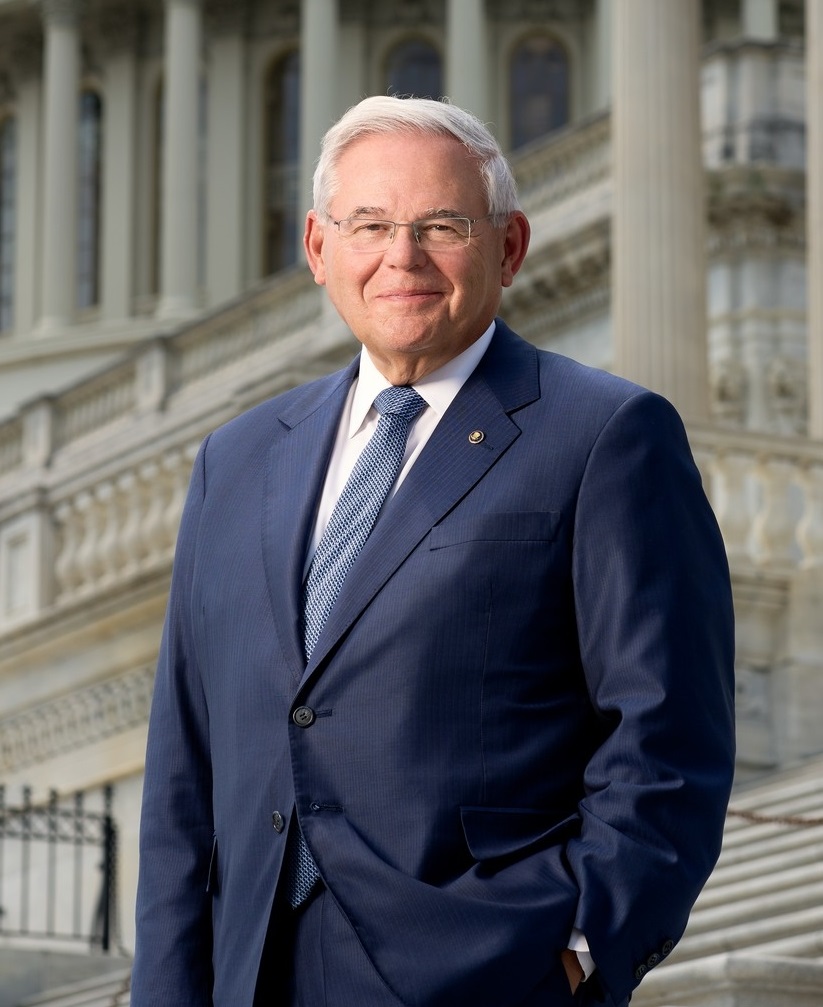
Trump Has Already Ruled It Out, So Why Are Bob Menendez Pardon Odds Surging?
Former U.S. Senator Bob Menendez is serving an 11-year federal prison sentence after his July 2024 conviction on bribery and corruption charges. The New York Times has reported that President Trump is not actively considering a pardon for Menendez. That report has not been retracted, amended, or contradicted by any White House statement.
Against that backdrop, Menendez's implied probability of receiving a presidential pardon before 2027 has climbed from 14% to 23% in just three days. No new reporting, no executive signals, no lobbying disclosures. The rally is pure momentum, untethered from any identifiable information catalyst. When a market moves 9 percentage points in 72 hours and the strongest available evidence points in the opposite direction, the burden of proof falls squarely on the buyers.
The question for traders is straightforward: does the market know something the NYT doesn't, or is this a momentum trade masquerading as a forecast?
Where Bob Menendez Stands in the Trump Pardon Market Right Now
The Menendez leg of the "Who will Trump pardon before 2027?" market currently sits at 23%, up from a period low of 13%. That 10-point swing from the floor makes it one of the sharper moves in the broader multi-candidate pardon field, which includes figures ranging from Roger Stone to Sam Bankman-Fried to Joe Exotic.
The cross-platform picture adds a layer of complexity. On Kalshi, Menendez is priced at 10%. On Polymarket, the price is 36%. That 26-point gap between platforms signals thin liquidity, fragmented sentiment, or both. When a spread is that wide, neither platform is offering a reliable consensus. Instead, each is reflecting its own pool of participants, and small trades can move prices disproportionately. The blended 23% figure is an average, not an anchor.
Context matters here. Menendez is not a political ally of Trump in the way Steve Bannon or Roger Stone might be. He is a convicted Democrat whose case involved allegations of acting as a foreign agent for Egypt. The political calculus of pardoning him carries no obvious upside for Trump, which is precisely what the NYT report reflected.
What Sparked the Bob Menendez Pardon Rally and Why It Doesn't Hold Up
The most likely explanation for the surge is speculative retail flow driven by social media chatter about Trump's expanding use of executive clemency. Trump has pardoned or commuted sentences for several high-profile figures during his second term, and each new pardon creates a feedback loop: traders look at the remaining candidates, ask "who's next?", and pile into cheap contracts. Menendez, priced near the bottom of the field, was a low-cost speculative bet. At 14%, a Yes contract was trading at roughly one-seventh of its face value, making it attractive to gamblers willing to risk small amounts for outsized payoffs.
But speculation needs a plausible path to resolution, and Menendez's path is blocked by the only concrete evidence available. The New Jersey Globe reported, citing the NYT, that Trump is not considering this pardon. No subsequent reporting has walked that back. There is no known lobbying effort with traction. Menendez's 11-year sentence began on June 17, 2025, and his legal team has not publicly indicated any pending clemency petition that would change the calculus before the market's December 31, 2026 resolution date.
The pattern here is familiar to anyone who watches prediction markets closely. Pardon markets attract noise traders because the underlying event is binary and emotionally charged. A single viral tweet speculating about a pardon can trigger a wave of small-dollar buying that pushes illiquid contracts several points in hours. The 26-point Kalshi-Polymarket spread is itself evidence that this move is driven by a thin order book on at least one platform, not by a genuine shift in informed expectations.
The Strongest Case for the Buyers
Dismissing the rally entirely would be intellectually dishonest. Trump has repeatedly defied expectations on clemency. His first and second terms have featured pardons that no mainstream analyst predicted in advance, from Joe Arpaio to the January 6 defendants. The argument for Menendez buyers runs as follows: Trump's clemency decisions are impulsive, politically motivated in unpredictable ways, and sometimes serve as loyalty signals or favors within opaque deal-making. A Democratic senator convicted of acting in the interest of a foreign government could, in theory, become useful to Trump as a rhetorical tool to attack Democratic hypocrisy.
There is also the timeline factor. The market doesn't resolve until December 31, 2026. Nine months is a long time in Trump-era politics. Reporting that Trump is "not considering" a pardon today does not preclude a reversal tomorrow if political circumstances shift, if an intermediary lobbies effectively, or if Trump simply changes his mind on impulse.
These are real possibilities. But "Trump is unpredictable" is a thesis, not a catalyst. It applies equally to every name on the pardon list. It does not explain why Menendez specifically moved 9 percentage points while others remained flat. The market is pricing a specific event, and the specific evidence available says it isn't happening.
At 23%, the market implies roughly a one-in-four chance that Menendez walks free before 2027. That is a bold claim for a convicted felon whose pardon has been explicitly ruled out by the only authoritative source on the matter. Until a new fact enters the picture, this rally looks like a trade to fade, not to follow.
Join our Discord for breaking news alerts, driven by real-time movements in prediction markets.
Free Trading Tools
View allCompare fees across Kalshi, Polymarket & PredictIt.
Find fair probabilities with the overround removed.
See if a trade has positive EV before you enter.
Convert American, decimal & implied probability.
Combined odds and payouts for multi-leg bets.
Your real take-home after fees and taxes.