
US-Iran Nuclear Deal Odds Hit 44% as Iran Submits Peace Proposal
Iran's 10-point proposal reached Pakistani mediators on the same day as Trump's Tuesday military deadline; Kalshi quotes the contract at 45%.
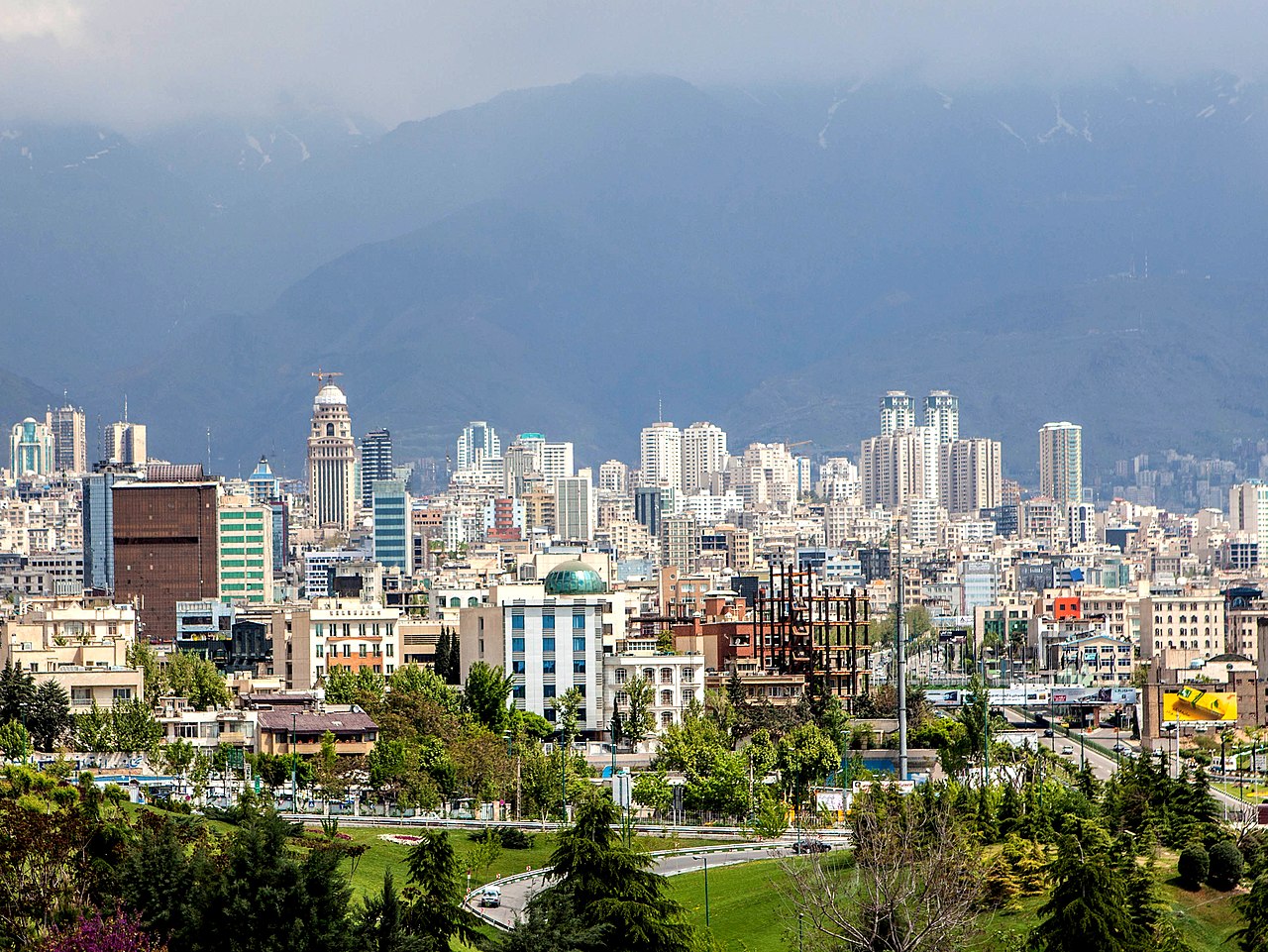
Trump Threatened to Bomb Iran Into the Stone Ages. So Why Is a Nuclear Deal More Likely Than Ever?
On April 2, President Trump told reporters the United States would bomb Iran "back to the stone ages" over the next two to three weeks if no ceasefire materialized, listing power plants and oil fields as potential targets. Four days later, on April 6, Iran submitted a formal 10-point peace proposal to Pakistani mediators, according to Axios. That same day, Trump reiterated an 8 p.m. Tuesday military deadline. The Pentagon has confirmed 13 U.S. service members killed and 365 wounded in active hostilities, per AP News. Bombs are falling. Diplomats are drafting. Both things are true at the same time.
Prediction markets are pricing the contradiction. The implied probability of a US-Iran nuclear deal before 2027 jumped from 36% to 44% over three days, an 8-percentage-point move that ranks among the largest weekly shifts this contract has recorded. Kalshi quotes the contract at 45%; Polymarket sits at 44%. The tight cross-platform spread confirms this is not one exchange's noise. It is a consensus repricing.
The market is reading the diplomatic infrastructure beneath the military posturing. Maximum pressure and maximum engagement are operating simultaneously, and bettors appear to believe the engagement channel is the one that matters.
Before dismissing this as noise, the price chart tells a more deliberate story. This was not a spike; it was a sustained climb.
The US-Iran Nuclear Deal Probability Chart Shows This Is Not a Blip
The 8-percentage-point move from 36% to 44% unfolded over three consecutive sessions, not in a single candle. That pattern matters. A headline-driven spike typically reverts within hours as traders fade the move. A staircase climb, where each session closes higher than the last, reflects capital flowing in on sustained conviction.
At 44%, the contract is approaching coin-flip territory. For a market that spent most of March in the low 30s, breaking above 40% represents a structural shift in sentiment. The 40% level had served as resistance through several prior diplomatic feints, including the February Geneva talks that a senior U.S. official described as "positive" but that produced no concrete framework. The clean break above that threshold suggests traders view the current diplomatic architecture as qualitatively different from earlier rounds.
Crucially, the move accelerated after Iran's 10-point proposal landed on April 6, not after Trump's bomb threat on April 2. The threat alone did not move the needle. The Iranian response to the threat did.
To understand why the market is repricing, you have to look at who is carrying messages between Washington and Tehran.
Oman and Pakistan Are the Real Story Behind the US-Iran Nuclear Talks Surge
Two mediator tracks are running in parallel, and both are active. Oman facilitated the secret back-channel talks that laid the groundwork for the 2015 JCPOA under the Obama administration. Its involvement in the current ceasefire discussions, reported by Axios, signals continuity with the only diplomatic channel that has ever produced a completed US-Iran nuclear agreement.
Pakistan brings a different kind of leverage. It is a nuclear-armed, Muslim-majority state with working relationships on both sides of the conflict. Vice President JD Vance has been in direct communication with Pakistan's army chief, Gen. Asim Munir, to facilitate what sources are calling the "Islamabad Accord," a proposed 45-day ceasefire tied to the reopening of the Strait of Hormuz, according to The Daily Beast. Iran's decision to route its 10-point proposal through Pakistani mediators, rather than through Witkoff or Kushner, is itself a negotiating signal: Tehran is choosing its interlocutors.
The dual-track structure matters because it takes weeks to build. Oman does not activate its back-channel apparatus on a whim. Pakistan's army chief does not join calls with the U.S. vice president without preparation at the highest levels. This infrastructure was being assembled well before Trump's "stone ages" rhetoric, which means the bomb threats and the peace talks are not contradictory reactions to each other. They are parallel tracks of a single strategy where military escalation provides cover for diplomatic concessions.
Vance's emergence as the preferred Iranian interlocutor adds another layer. Iranian officials reportedly refused further dealings with Kushner and Witkoff, viewing the vice president as a more credible figure given his known skepticism of Middle Eastern military intervention. If Vance enters negotiations in person, the market will likely reprice again.
The Strongest Case That 44% Is Too High
The counter-argument deserves genuine weight. A nuclear deal requires far more than a ceasefire. The February Geneva talks were "positive," but the core disagreements remain unresolved: Iran has reportedly stockpiled enough enriched uranium for 11 nuclear bombs, and the reimposition of UN sanctions via the European "snapback" mechanism in August 2025 has hardened Tehran's negotiating posture. Iran's proposal is described by U.S. officials as "maximalist," a word that in diplomatic parlance means the two sides are not close to an agreement.
The timeline compounds the difficulty. This contract resolves on December 31, 2026, giving negotiators roughly eight months. The 2015 JCPOA took over two years of intensive talks to finalize. Even if a 45-day ceasefire holds, converting that into a ratified nuclear framework by year-end would require a pace of diplomacy that has no historical precedent in US-Iran relations.
There is also the problem of spoilers. The death of Supreme Leader Ali Khamenei has left Iran's decision-making in the hands of hardline military figures, according to Le Monde. A radicalized regime may submit proposals without intending to finalize them, using diplomacy as a stalling tactic while accelerating enrichment. Trump himself has repeatedly delayed his own deadlines, which suggests both sides may be performing negotiation rather than conducting it.
At 44%, the market is pricing roughly a four-in-nine chance that a full nuclear agreement materializes in eight months, during an active shooting war, between parties who have never completed a deal in less than two years. That is an aggressive number. But the dual-mediator architecture and Vance's entry into the diplomatic frame are real structural developments, not theater. If the Tuesday deadline passes without a bombing escalation, expect the contract to push toward 50%. If bombs fall on Iranian power plants, 44% will look like a relic from a different week.
Join our Discord for breaking news alerts, driven by real-time movements in prediction markets.
Free Trading Tools
View allCompare fees across Kalshi, Polymarket & PredictIt.
Find fair probabilities with the overround removed.
See if a trade has positive EV before you enter.
Convert American, decimal & implied probability.
Combined odds and payouts for multi-leg bets.
Your real take-home after fees and taxes.